How to Plan the Perfect Tanzania Safari and Beach Holiday
Combining a wildlife safari with a beach holiday is one of the most rewarding ways to experience Tanzania. The country offers a rare mix of world-famous national parks and pristine Indian Ocean coastline, making it possible to go from watching lions on the Serengeti plains to swimming in warm turquoise waters in the same trip. For many travelers, the appeal lies in the contrast: days spent exploring the bush give way to afternoons of complete relaxation on the beach.
Getting the balance right between these two very different experiences takes some planning. The distances involved, the best time of year, and the kind of accommodation you prefer all shape how your journey unfolds. This article explains what a safari and beach combination really involves, what to expect at each stage, and how to make the most of both worlds without feeling rushed or exhausted.
Understanding the Geography
Tanzania is a large country, and the main safari areas are inland while the beaches line the coast. The most popular beach destination is Zanzibar, an archipelago off the mainland that has long been a hub for travelers seeking a tropical island escape. The Serengeti ecosystem, Ngorongoro Crater, and Tarangire National Park are all in northern Tanzania, several hours drive or a short flight from the coast.
A typical combined itinerary starts on safari, either in the Serengeti or another northern park, and then moves to Zanzibar for the beach portion of the trip. The reverse is also possible, but starting on safari often works better because the bush can be more physically demanding. After a few days of early morning game drives and dusty roads, arriving at a beach resort feels like a genuine reward.
Choosing the Safari Component
The safari part of the trip can be as long or as short as your schedule allows. Many travelers aim for four to seven days on the ground, visiting one or two parks. The Serengeti is the most famous choice, and for good reason. Its vast open plains host the Great Migration of wildebeest and zebra, along with large populations of predators such as lions and cheetahs. The calving season and river crossings are particularly dramatic, though the wildlife is impressive year-round.

If you have less time, a fly-in safari from Zanzibar is an efficient option. These trips typically involve a short flight to a Serengeti airstrip, followed by a few days of game drives, then a return flight back to the island. This approach saves the long drive from the coast and allows you to pack a high-quality safari into a long weekend.
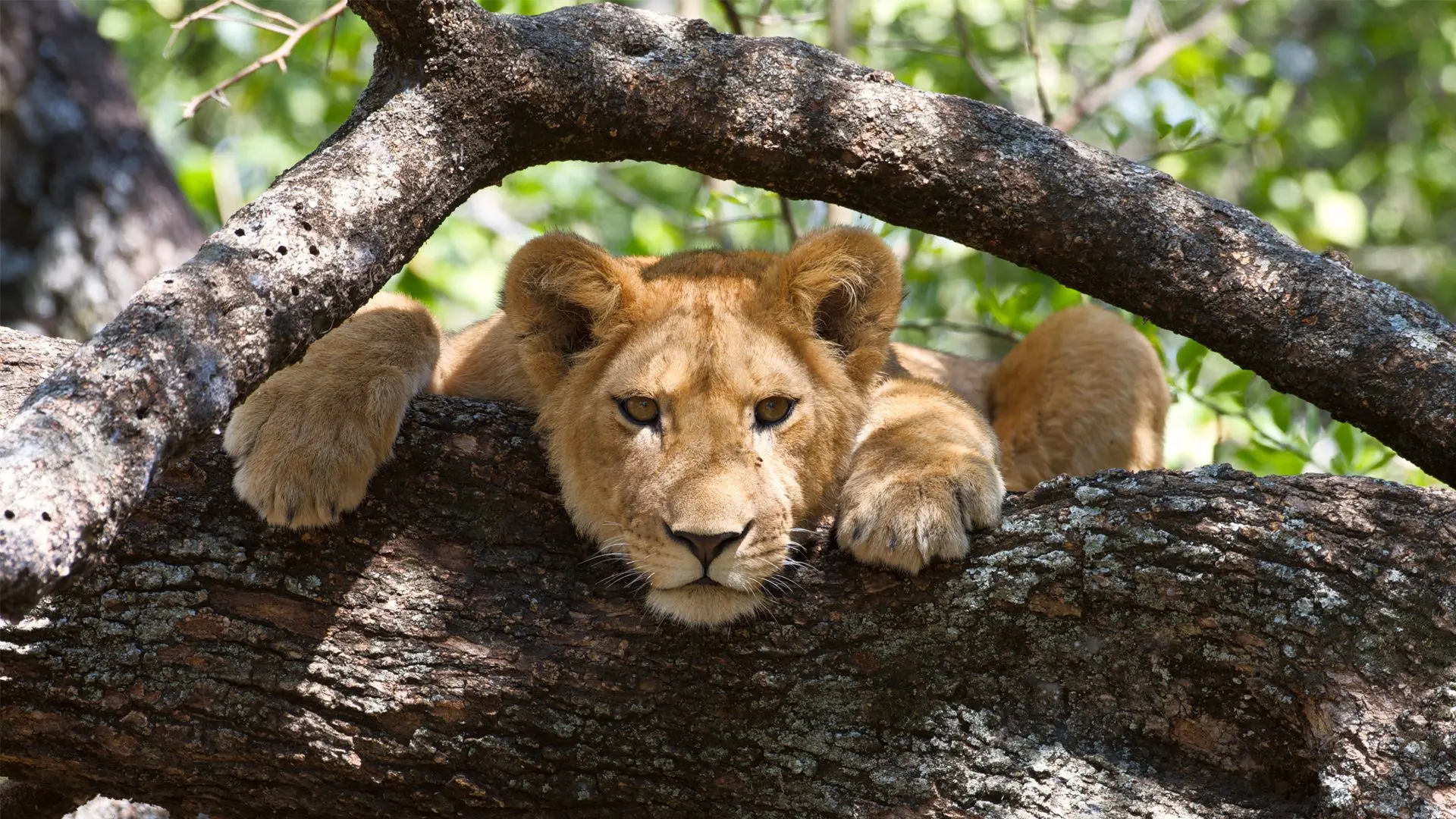
Other parks worth considering include Tarangire, known for its large elephant herds and baobab trees, and Lake Manyara, which offers tree-climbing lions and huge flocks of flamingos. Ngorongoro Crater is another highlight, with its high density of wildlife inside a collapsed volcano caldera. The right choice depends on what animals you most want to see and how much time you have.
The Beach Experience
Zanzibar is the main beach destination for most safari and beach combinations. The island has a long coastline with a mix of resorts, boutique hotels, and simple beach bungalows. The east coast faces the Indian Ocean trade winds, which makes it ideal for kitesurfing and sailing. The north coast offers calm waters and sandbanks that appear at low tide, perfect for swimming and walking. The southeast has a more rugged feel, with rocky coves and fewer crowds.
Beyond sunbathing and swimming, Zanzibar has a rich cultural history. Stone Town, the old city on the west coast, is a unesco world heritage site with narrow alleys, carved wooden doors, and a layered past shaped by African, Arab, Indian, and European influences. A day spent exploring the markets, the old fort, and the former slave market adds depth to what might otherwise be a purely beach-focused stay.
Snorkeling and diving are also popular. The coral reefs around the island are home to a wide variety of fish, turtles, and sometimes dolphins. Mnemba Island, just off the northeast coast, is a protected marine area with excellent visibility and healthy coral. Many resorts offer day trips or have their own house reefs just offshore.
Practical Considerations for a Combined Trip
One of the biggest questions when planning a safari beach holiday Tanzania is how to handle the travel between the two regions. The distance from Arusha or the Serengeti to Zanzibar is several hundred kilometers, and the most practical way is to fly. There are regular flights from Arusha to Zanzibar, and also from some safari airstrips directly to the island. The flight time is roughly an hour, which makes the journey manageable within a single day.
For those who prefer to travel overland, it is possible to drive from the safari area to the coast and then take a ferry from Dar es Salaam to Zanzibar. This adds a full day of travel, but it also gives you a chance to see more of the country along the way. The drive takes you through the Tanzanian countryside, past small towns, farms, and the Usambara mountains. The ferry crossing itself takes about two hours and can be an experience in its own right.
Packing for a combined trip requires some thought. The bush demands neutral colors, long sleeves, sturdy shoes, and a warm jacket for chilly mornings. The beach calls for swimwear, light clothing, sandals, and plenty of sunscreen. You will need both sets of gear, and you will want to keep them separate. A good system is to pack a main bag for safari and a smaller bag for the beach, then leave the safari bag at a hotel or with a tour operator while you are on the island.
Timing Your Trip
Tanzania has two main seasons: the dry season from June to October and the wet season from November to May. The dry season is generally the best time for wildlife viewing because animals gather around water sources and the vegetation is thinner. It is also the busiest time for both safaris and beach holidays. The wet season has its own advantages: fewer crowds, greener landscapes, and lower prices. The long rains from March to May can make some roads difficult, but the short rains in November and December are often manageable.
The beach weather in Zanzibar is warm year-round, with temperatures averaging around 28 degrees celsius. The rainy season on the island runs roughly from March to May and again in November, with the heaviest rainfall in April and May. If you want the best beach weather, aim for the dry months of June through October or January and February.
Tailoring the Experience to Your Interests
Not everyone wants the same kind of safari or the same kind of beach stay. Some travelers prefer a luxury safari with tented camps and private guides, while others are happy with a standard lodge and group game drives. Similarly, the beach experience can range from a five-star resort with multiple restaurants and a spa to a simple eco-lodge with solar power and open-air bathrooms.
The key is to decide what matters most to you. If you are a serious wildlife photographer, you may want to spend more days on safari and choose a camp that offers exclusive use of a vehicle. If you are mainly looking to relax, a shorter safari followed by a longer beach stay might be the better fit. The beauty of a tailor-made trip is that you can adjust the balance to suit your own preferences.
For those who want a true blend of both experiences, some camps and lodges offer activities that combine wildlife and coastal elements. For example, a boat safari on a lake or a river in a coastal area can give you a taste of the bush while staying near the beach. However, the most dramatic contrast comes from splitting your time between the two regions.
Common Questions and Misconceptions
One common question is whether it is possible to do a safari and beach holiday in a single week. The answer is yes, but only if you fly between the two regions and keep the safari portion short. A typical seven-day itinerary might include three days on safari in the Serengeti and four days on Zanzibar. This gives you enough time to see the main wildlife highlights and still have several full days on the beach.
Another misconception is that the safari and beach portions must be booked separately. Many tour operators in Tanzania offer combined packages that include both the safari and the beach stay, along with all transfers and flights. This can simplify planning and often results in a smoother experience, especially for first-time visitors.

Travelers sometimes worry about safety on the beach or in the bush. In general, Tanzania is a safe destination for tourists, provided you follow standard precautions. On safari, you always stay inside the vehicle during game drives and listen to your guide. On Zanzibar, you should take the same care you would in any unfamiliar place: avoid walking alone at night in remote areas, keep valuables in a safe, and respect local customs.
Making It Work for You
A well-planned safari beach holiday Tanzania can be one of the most memorable trips you ever take. The combination of raw nature and coastal calm is hard to beat, and the country offers the infrastructure to make it happen without too much hassle. The key is to be realistic about the distances involved, choose the right season for your priorities, and decide how much time to spend in each part of the trip.
Whether you are a first-time visitor to Africa or a seasoned traveler, the blend of wildlife and beach gives you two very different worlds in a single journey. The safari feeds your sense of adventure and wonder, while the beach allows you to rest, reflect, and soak in the beauty of the Indian Ocean. Together, they create a holiday that feels complete.